


In curved canals, what you don’t see often defines the outcome.
Complex root canal anatomy, especially in curved canals, presents hidden challenges that can significantly impact treatment success. Even experienced clinicians may overlook critical issues such as ledging, canal stripping, or deep apical lesions because of limited visibility in narrow, tortuous spaces. These unseen problems frequently lead to procedural errors and compromised long-term results.
Renowned Malaysian endodontist Dr. Martin K. W. Chieng (@drmartinwen) emphasizes that magnification dramatically improves awareness of both file behavior and the true canal anatomy during treatment. With enhanced visualization, dentists can better monitor how instruments interact with canal walls, detect early signs of stress on files, and adapt their approach to the degree of curvature and calcification present in each case.
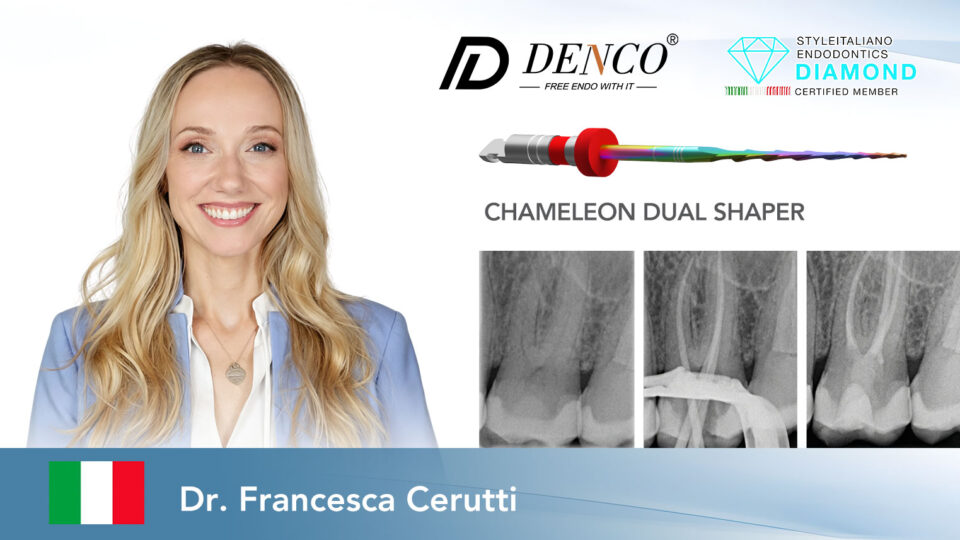
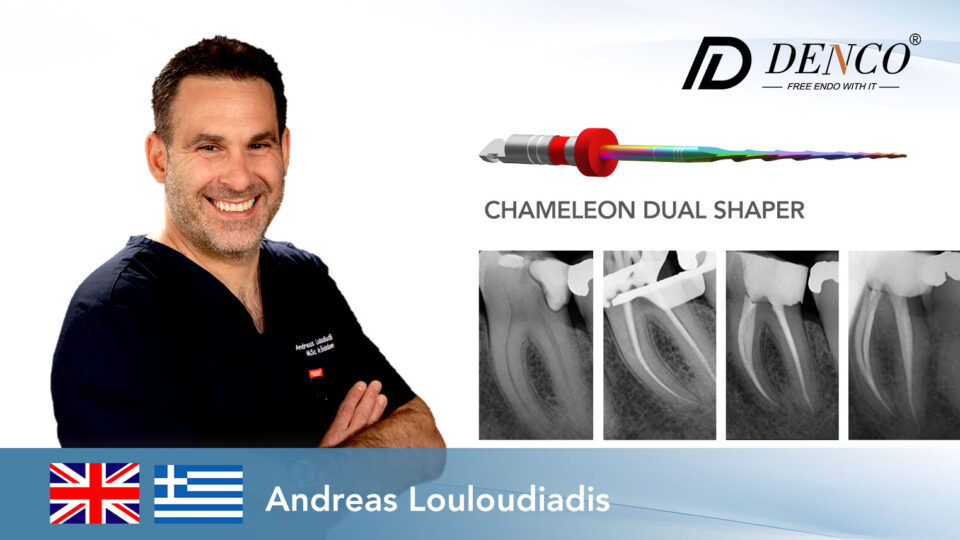
Complementing the microscope is the Chameleon Dual Shaper, a specialized rotary file system designed for controlled and safe shaping. Its unique cross-section and non-cutting guiding tip help minimize the risk of ledging or perforation in curved canals, while the flat side serves as a practical indicator of file stress. This combination enables smoother debris removal, better preservation of pericervical dentin, and more conservative preparation—even in severely curved or calcified cases.
By integrating the DENCO Microscope for unmatched clarity and the Chameleon Dual Shaper for precise, controlled instrumentation, clinical decisions become significantly more predictable. Dentists can move beyond guesswork and confidently address the complexities of curved canal anatomy.
Ultimately, investing in proper magnification and advanced shaping instruments allows endodontists to see what others often miss — delivering safer, more successful root canal treatments and better outcomes for patients.