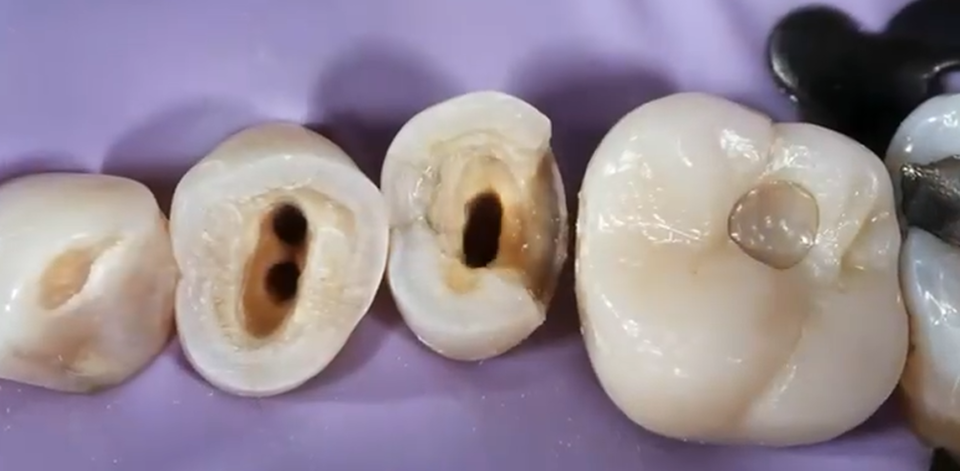

In endodontics, few scenarios test a clinician’s skill more than a heavily calcified LR7 — the lower right second molar exhibiting a 2–1 canal configuration. This case involved severe canal calcification, further complicated by the patient’s limited mouth opening, which significantly restricted access, canal location, and negotiation.
Calcified canals remain one of the most demanding challenges in modern endodontic treatment. Pulp canal obliteration reduces visibility, increases the risk of procedural errors such as perforations, and demands precise, conservative techniques to preserve tooth structure. In this instance, the combination of dense calcification and restricted oral access transformed a routine root canal treatment into a highly technique-sensitive procedure.
Critical Access Preparation in Calcified Canals
Access preparation proved pivotal to the success of this endodontic treatment. Every step required meticulous refinement to identify the calcified canal orifices without excessive dentin removal. By carefully balancing visibility and conservation, the clinician successfully located the entries to the intricate 2–1 configuration while maintaining maximum structural integrity of the tooth.
Preserving pericervical dentin and overall tooth structure is essential in such cases, as it directly impacts long-term prognosis and resistance to fracture — especially important for a functional molar like the LR7.
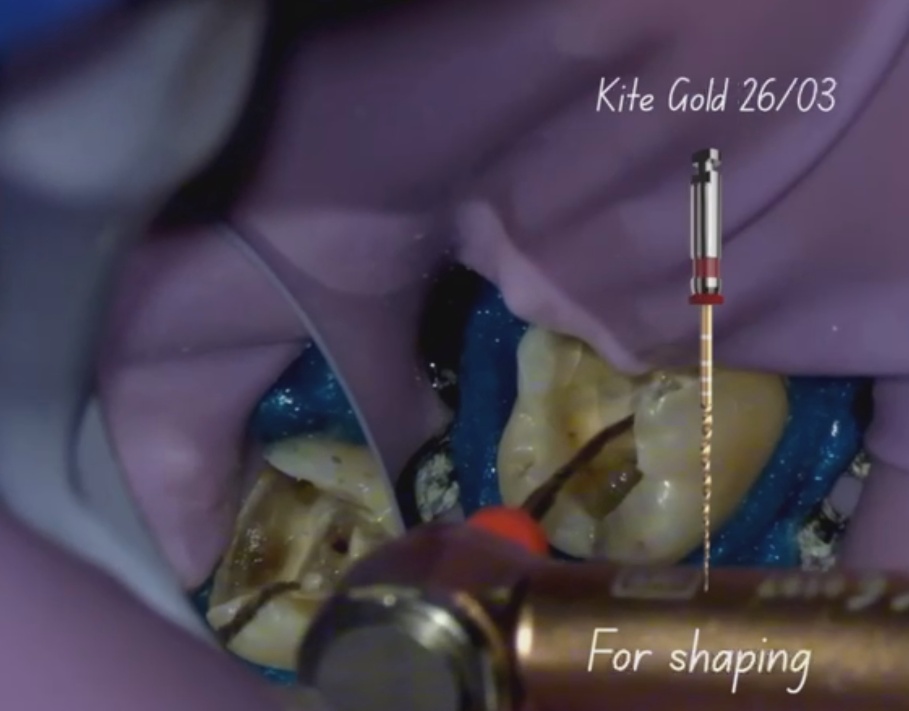
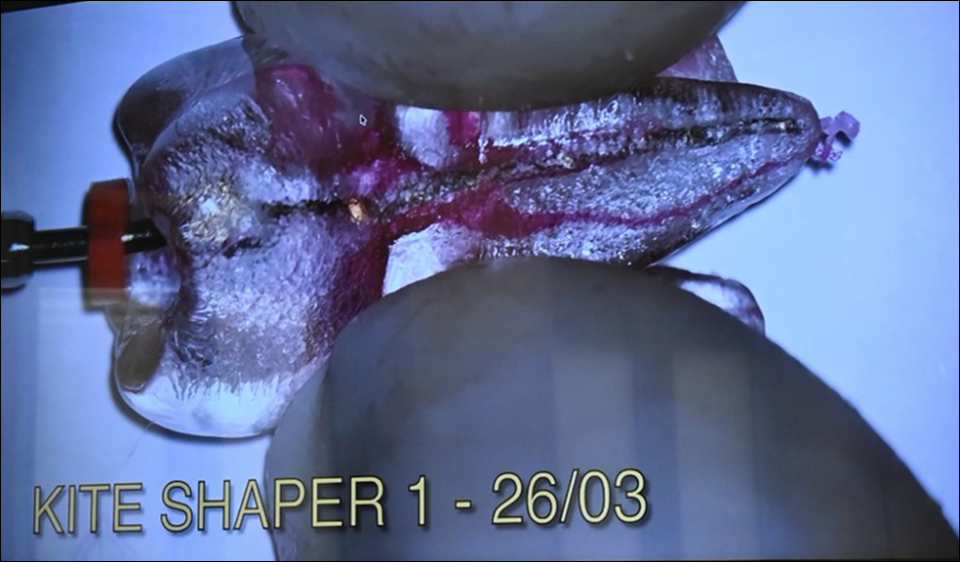
Shaping with the Innovative DENCO Kite Gold Rotary System
Once access was achieved, shaping was performed using the new DENCO Kite Gold rotary system, specifically designed for minimally invasive endodontics. This advanced file system offers enhanced flexibility and controlled cutting efficiency, making it ideal for negotiating calcified canals.
The DENCO Kite Gold files allowed safe, centered advancement through the narrow, obstructed pathways while minimizing the risk of canal transportation. Their superior cyclic fatigue resistance and efficient yet conservative cutting action supported a dentin-preserving approach — aligning perfectly with contemporary principles of minimally invasive endodontics. This technology enabled predictable shaping even under the constraints of limited mouth opening, reducing procedural stress and improving overall efficiency.
Effective Irrigation Protocol for Complex Anatomy
Thorough disinfection is non-negotiable in calcified root canal treatment, where the complex anatomy can harbor persistent bacteria. In this case, irrigation was carried out using 5.25% NaOCl (sodium hypochlorite) and 17% EDTA, delivered with active irrigation protocols to enhance penetration and debris removal.
These solutions, combined with dynamic activation techniques, ensured optimal cleaning of the intricate 2–1 canal system, promoting effective disinfection and preparing the canals for successful obturation.
Obturation and Temporary Restoration
Obturation was completed using a bioceramic (BC) sealer, known for its excellent sealing properties, biocompatibility, and ability to promote healing. This was followed by the placement of a high-quality composite resin restoration to provide an immediate coronal seal.
The patient was then referred back to the referring dentist for definitive crown restoration, completing the restorative cycle and ensuring long-term protection of the treated LR7 molar.
Key Takeaways for Managing Calcified Canals in Endodontic Treatment
This case highlights several important lessons in contemporary endodontics:
- Precise access and dentin preservation are foundational when dealing with heavily calcified canals.
- Modern rotary systems like DENCO Kite Gold significantly enhance safety and predictability in minimally invasive shaping, even in anatomically and access-challenged teeth.
- A combination of proper irrigation protocols and bioceramic materials contributes to reliable disinfection and sealing in complex root canal treatments.
- Multidisciplinary collaboration — between the endodontist and restorative dentist — remains essential for optimal patient outcomes.
Cases involving calcified LR7 or similar molars with limited mouth opening demonstrate that, with the right tools, techniques, and experience, even highly difficult endodontic treatments can be managed successfully while conserving natural tooth structure.
For clinicians facing similar challenges, embracing minimally invasive endodontics and advanced rotary instrumentation can transform seemingly impossible cases into predictable successes.